Compare Colleges
Kalinga Institute of Industrial Technology vs Bharathidasan University
Side-by-side college comparisons to help you choose better.
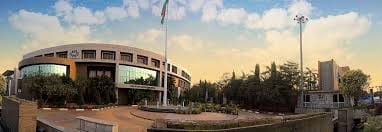
Kalinga Institute of Industrial Technology
MBA

Bharathidasan University
MBA

Comparison Highlights
NIRF RANKING

Kalinga Institute of Industrial Technology
#27
Bharathidasan University
#36
LOCATION

Kalinga Institute of Industrial Technology
Bhubaneswar, Odisha
Bharathidasan University
Tiruchirappalli, Tamil Nadu
FEES

Kalinga Institute of Industrial Technology
₹80,000
Bharathidasan University
₹45,500
PLACEMENT

Kalinga Institute of Industrial Technology
6-8 LPA
Bharathidasan University
3-4.5 LPA
NIRF RANKHighly Ranked
NIRF#27
NIRF RANK
NIRF#36
ACCREDITATION
NIRFNAAC A++
Top AccreditedACCREDITATION
NAAC A+AICTENIRF
LOCATIONBhubaneswar, Odisha
LOCATIONTiruchirappalli, Tamil Nadu
OWNERSHIPPrivate Deemed
OWNERSHIPPublic State
₹1,60,000VIEW FEE DETAILS
RATING
4.8
Best Rated
4.8
Best Rated
REVIEWS
20 ReviewsVIEW ALL REVIEWS
24 ReviewsVIEW ALL REVIEWS
Quick compare
Popular colleges

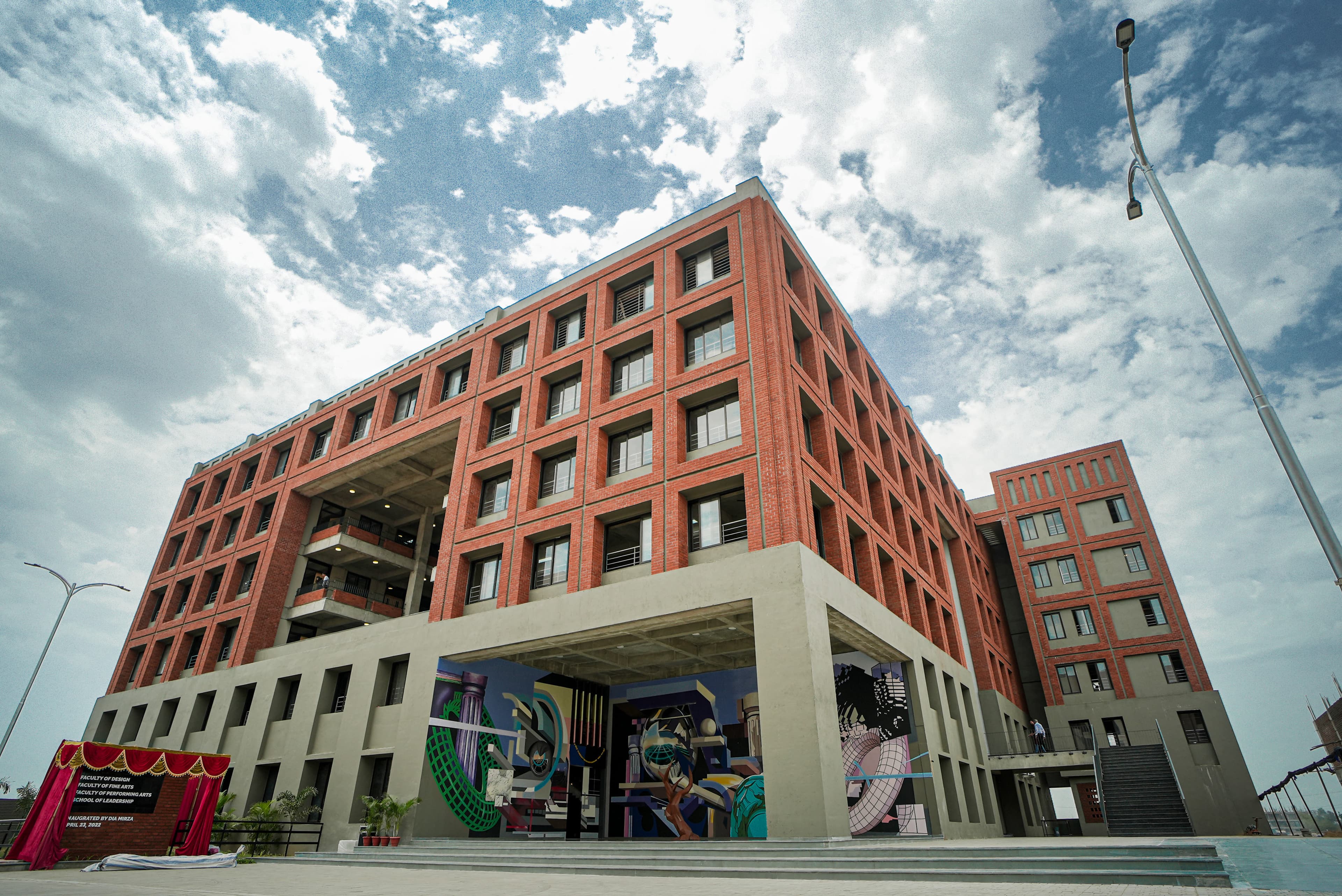

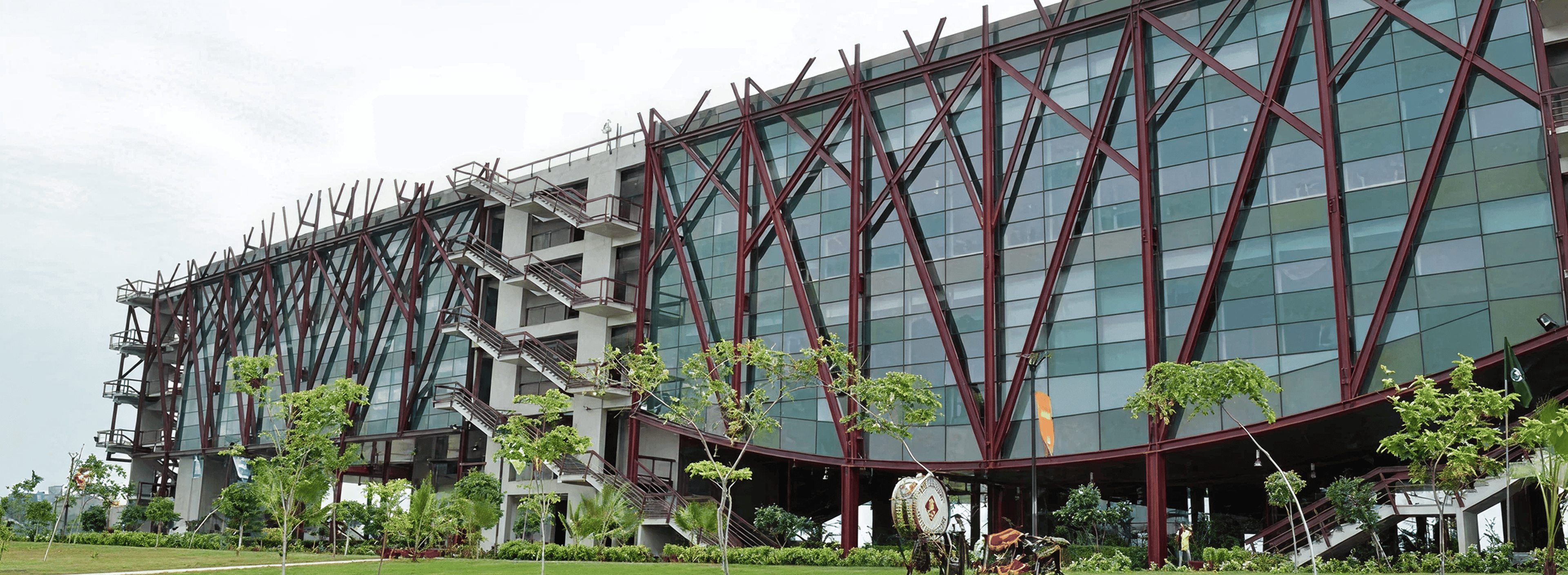


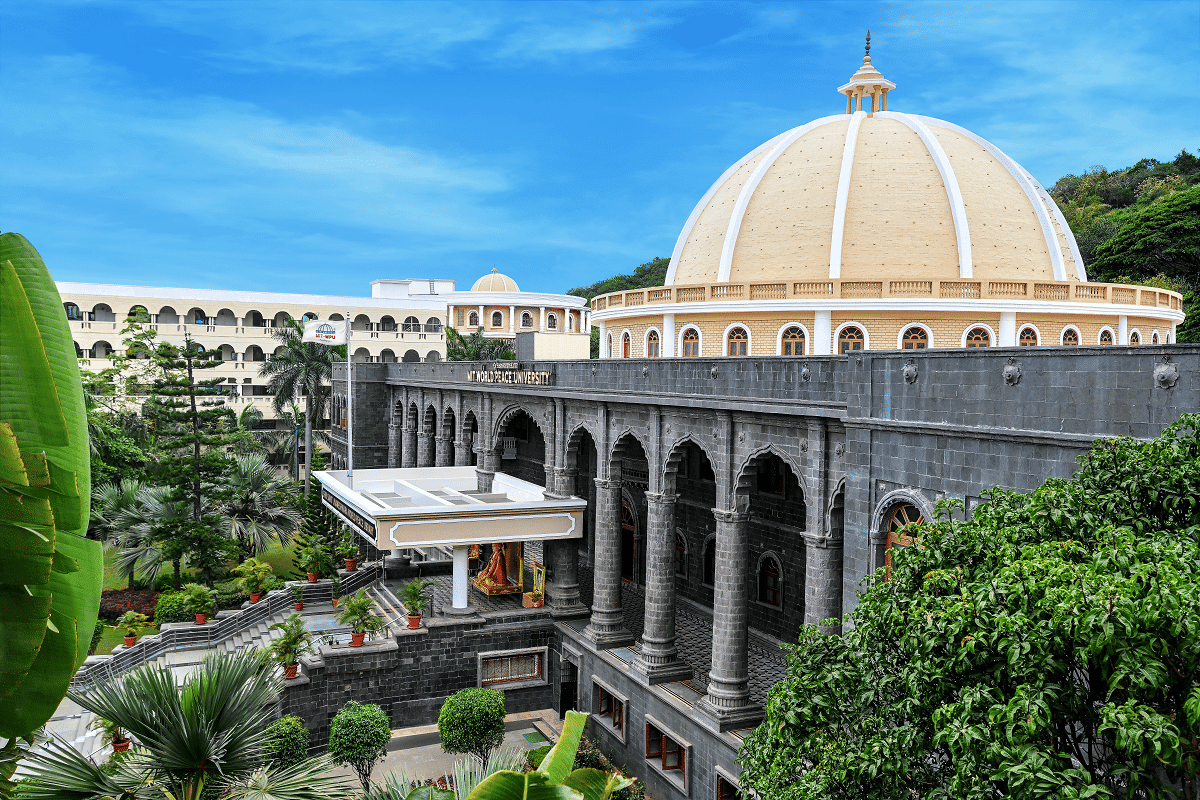
Commonly Asked Questions
What are the key differences in the courses offered at Kalinga Institute of Industrial Technology and Bharathidasan University?
You can opt for Online MCA, Online B.Com, and more courses at Kalinga Institute of Industrial Technology. In contrast, Bharathidasan University specializes in Online MBA, Online MA, and more courses.
Are Kalinga Institute of Industrial Technology and Bharathidasan University recognized by accredited institutions?
Yes, Kalinga Institute of Industrial Technology is accredited by NIRF, NAAC A++, while Bharathidasan University has recognition from NAAC A+, AICTE, NIRF. Accreditation ensures that the programs meet academic and professional quality standards.
What is the location of Kalinga Institute of Industrial Technology and Bharathidasan University?
Kalinga Institute of Industrial Technology is situated in Bhubaneswar, Odisha and Bharathidasan University is located in Tiruchirappalli, Tamil Nadu.
How can we apply for admission to Kalinga Institute of Industrial Technology and Bharathidasan University?
Admission can be done online through the official Apna Advantage college pages Kalinga Institute of Industrial Technology and Bharathidasan University. Eligibility criteria and application deadlines may vary depending on the program.
What is the fee structure at Kalinga Institute of Industrial Technology compared to Bharathidasan University?
Kalinga Institute of Industrial Technology fee structure typically includes ₹36,000 to ₹1,02,600, whereas Bharathidasan University fee structure includes ₹15,266 to ₹45,500.
Which college might be a better fit for me?
The best fit depends on your priorities. If you are interested in Online MCA, Online B.Com, and more degree and prefer a Bhubaneswar, Odisha locality, then Kalinga Institute of Industrial Technology might be better. If you prefer the Tiruchirappalli, Tamil Nadu region and want to study Online MBA, Online MA, and more, then Bharathidasan University could be a better choice.
What is the total number of courses offered by Kalinga Institute of Industrial Technology compared to Bharathidasan University?
While both institutions offer a comprehensive range of programs, Kalinga Institute of Industrial Technology has a total of 5 courses, while Bharathidasan University provides 4 courses. This difference can be a factor for students seeking either a wider variety of options or a more specialized curriculum.